
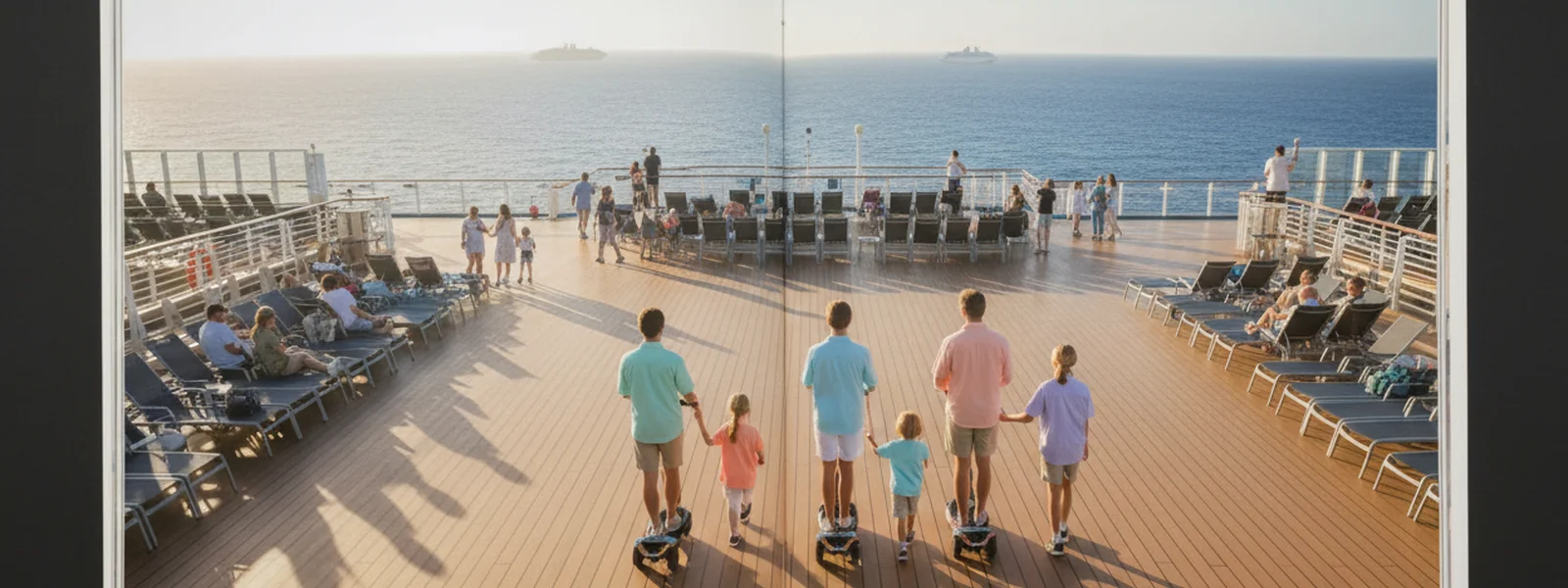
Making Magical Memories: Cruising with Special Needs Children
A family cruise is a wonderful way to create lasting memories, explore new places, and simply enjoy being together. For families who are cruising with special needs children, a little extra planning can go a long way in ensuring a smooth, joyful, and stress-free vacation. Our goal is always for every family to have a fantastic time, from the moment you step on board to the last group photo.
It might feel like a lot to think about, but with some preparation and knowing what questions to ask, you can make sure your cruise is everything you've dreamed of. We're here to help you navigate the process, just like we help make sure everyone has a matching shirt for those perfect family pictures.
Starting Your Planning: Connecting with the Cruise Line
The first and most important step when planning a cruise with special needs children is to communicate directly with the cruise line. Every cruise line has different policies and amenities regarding accessibility, medical support, and special accommodations. Don't hesitate to reach out to their special needs department well in advance of your sailing date.
They can provide detailed information about what services are available, what forms need to be filled out, and any specific requirements. Think of them as your first mate in planning this adventure! Knowing these details upfront allows you to plan your days at sea and in port with confidence, ensuring everyone's needs are met.
Choosing the Right Ship and Cabin for Comfort and Accessibility
Not all ships are created equal when it comes to accessibility. When you're cruising with special needs children, researching the ship's layout and available cabin types is crucial. Look for ships that offer a good number of accessible cabins, which typically feature wider doorways, roll-in showers, grab bars, and ample space for mobility devices if needed.
Consider the location of your cabin. Being near elevators, kids' clubs, or dining areas can significantly reduce walking distances and make daily routines easier. Also, think about connecting cabins if you need more space or a separate but close sleeping area for caregivers. This early consideration can make a huge difference in your family's comfort level throughout the trip. For more general advice on picking your perfect sailing, check out our Family Cruise Tips page.
Navigating Onboard Activities and Sensory Needs
Cruise ships are bustling places, full of sounds, lights, and crowds, which can be overwhelming for some children with sensory sensitivities. However, many ships are becoming more aware and accommodating. Inquire about quiet spaces on board, designated sensory-friendly play areas, or times when certain attractions might be less crowded.
Kids' clubs are often a big draw for families. When cruising with special needs children, ask about the staff-to-child ratio, if staff have experience with special needs, and what accommodations they can make for your child's participation. Sometimes, a child might need a one-on-one aide, which some cruise lines can arrange for an additional fee. Planning for these details ensures your child can enjoy the fun in a way that works for them. We also have a fantastic
Kids Cruise Collection
Dietary Accommodations and Mealtime Strategies
Meal times on a cruise are a highlight for many, but they can be a source of anxiety for families managing dietary restrictions or picky eaters. Cruise lines are generally very accommodating, but it requires proactive communication. Inform the cruise line about any allergies, intolerances, or specific dietary needs when you book, and reiterate these to the maître d' or head waiter on embarkation day.
Many families find it helpful to pre-order meals or discuss options for the next day with the dining staff. Buffets can offer variety, but also be overwhelming; sometimes the main dining room provides a more controlled and consistent environment. Don't forget to pack familiar snacks that your child enjoys, especially for excursions or late-night cravings. For more tips on this, our article on How to Handle Cruise Dining with Picky Kids has some great ideas.
Medical Preparation and Onboard Support
Having a medical plan in place is essential for any family cruise, especially when traveling with special needs children. Here’s a checklist to help you prepare:
- Medication Management: Pack all necessary medications in your carry-on bag, along with copies of prescriptions and a letter from your doctor. Bring more than you think you'll need, just in case of delays.
- Medical Equipment: If your child uses medical equipment, confirm with the cruise line that it's allowed on board and if there are any power requirements or storage limitations.
- Medical Services: All cruise ships have medical facilities and staff. Familiarize yourself with their location and operating hours. Know where to go if a need arises.
- Emergency Contacts: Ensure the cruise line has your emergency contact information and details about your child's specific needs.
- Travel Insurance: Consider comprehensive travel insurance that covers medical emergencies and trip interruptions.
Being prepared means you can relax and enjoy your vacation, knowing you have a plan for any situation.
The Unsung Hero: Matching Shirts for Peace of Mind
One simple yet incredibly effective tool for families cruising with special needs children is matching family shirts. Beyond just looking great in photos, matching outfits serve a practical purpose that can bring a lot of peace of mind to parents.
make it incredibly easy to spot your family in a crowd, whether you're navigating a busy port, exploring the ship, or gathering for an excursion. Imagine the relief of quickly finding your child in a bustling kids' club area or a crowded buffet line because everyone is wearing the same distinctive design. This also helps other family members keep track of each other, especially if your group spreads out a bit.Matching shirts can also subtly signal to cruise staff that you are a cohesive group, making it easier for them to assist you if needed. It’s a visual cue that says, “We’re together, we’re a crew.” We've heard countless stories from parents who found this simple act incredibly helpful. From adorable
Bahamas 2026 Family Cruise Together Design T-Shirts
Baby Onesies
Essential Packing for Special Needs Families
Beyond the standard cruise packing list, here are some specific items that can make a difference when cruising with special needs children:
- Sensory Tools: Fidget toys, noise-canceling headphones, weighted blankets, or favorite comfort items that help regulate sensory input.
- Familiar Comforts: Favorite snacks, specific toiletries, or bedding if your child is particular about these.
- Visual Schedules: A laminated visual schedule can help children understand the day's activities and transitions, reducing anxiety.
- Communication Aids: Any communication devices or picture cards your child uses.
- Identification: In addition to matching shirts, consider medical alert bracelets or cards with emergency contact and medical information.
- Sun Protection: Hats, sunscreen, and maybe even some long sleeve cruise shirts for extra coverage, especially in sunny destinations.
- Portable Night Light: Cruise cabins can be very dark, and a small night light can help with unfamiliar surroundings.
Our article, First Family Cruise — Everything You Need to Know, also offers broader packing tips that you can adapt for your family's unique needs.
Creating Unforgettable Family Memories
Planning a cruise with special needs children requires attention to detail, but the rewards are immense. The joy of seeing your child experience new sights, make new friends, and relax in a supportive environment is truly priceless. Remember, you're not alone in this; cruise lines are increasingly prepared to welcome and accommodate all families.
Our founder story highlights that getting everyone in coordinating shirts shouldn't be harder than booking the cruise itself. We believe every family cruise deserves a matching crew photo, a tangible memory of your incredible adventure. With careful planning and a positive attitude, your family cruise will be an unforgettable experience for everyone, filled with laughter, discovery, and precious moments together.
Our Cruisin' Crew 2026 Family Vacation T-Shirt

Published by Family Cruise Shirt
Match Up. Set Sail. Make Memories.
Frequently Asked Questions
How do I communicate my child's special needs to the cruise line?
It's best to contact the cruise line's special needs department directly when you book your trip. They can provide specific forms to fill out and discuss available accommodations. Reiterate these needs to key staff members, like the maître d' or kids' club supervisors, upon embarkation.
Are cruise ships accessible for children with mobility challenges?
Many modern cruise ships are designed with accessibility in mind, offering accessible cabins, wider doorways, and ramps or elevators to navigate public areas. Always confirm specific ship features and cabin availability with the cruise line before booking to ensure it meets your family's needs.
What kind of support is available for sensory sensitivities on a cruise?
While offerings vary, many cruise lines are becoming more aware of sensory needs. You can inquire about quiet spaces, less crowded times for certain activities, or accommodations within kids' clubs. Bringing familiar sensory tools like noise-canceling headphones or fidget toys can also be very helpful.
How can I manage dietary restrictions or allergies for my child on a cruise?
Inform the cruise line of all dietary needs when booking. Upon arrival, speak with the head waiter or maître d' in the main dining room to discuss daily meal plans. Buffets offer variety, but the main dining room often provides more controlled options. Packing a few favorite, safe snacks is also a good idea.
Can I bring my child's medications and medical equipment on a cruise?
Yes, you can bring necessary medications and medical equipment. Always pack medications in your carry-on with copies of prescriptions. For equipment, verify with the cruise line any power requirements or storage considerations. Ships have medical centers for emergencies, but it's best to be prepared with your own supplies.
Why are matching shirts recommended for families with special needs children?
Matching shirts make it much easier to spot your family in crowded areas of the ship or in port, offering parents peace of mind. They also provide a visual cue to staff that your group is together, which can be helpful if assistance is needed. Plus, they make for great family photos!
First Look at New Designs + Family Cruise Tips
We send new matching design drops, cruise packing tips, and sizing guides — nothing you didn't ask for.